Big hotels are designed by committees and procurement departments. Small hotels, the good ones, are designed by a person, often the owner, who has spent a lot of nights in other people's rooms and noticed what went wrong. The difference shows up in details so small you only register them subconsciously, as a feeling that everything is somehow just right.
Light you can control
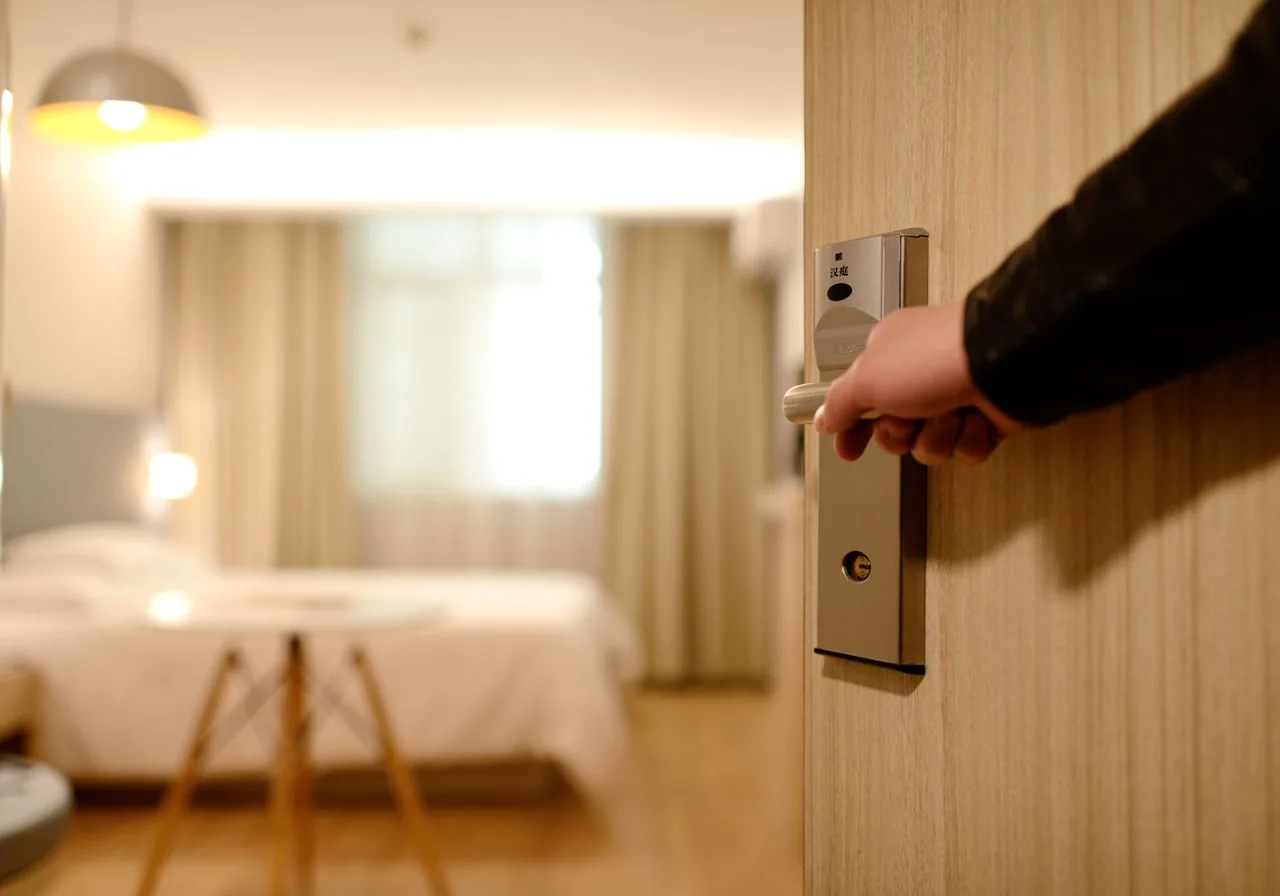
The single clearest sign of a thoughtful small hotel is lighting. Bedside lamps with their own switches. A dimmer by the door. No single overhead bulb glaring down like an interrogation. Whoever designed the room imagined lying in the bed and reaching out a hand, and built around that gesture. It costs almost nothing and changes everything.
Hooks, shelves and somewhere to put a cup
The unglamorous details betray real care: a hook for your coat where you actually take it off, a shelf in the shower at the right height, a surface beside the bath wide enough for a glass and a book. These are the things a designer only gets right if they have been annoyed by their absence somewhere else. Notice them and you have found a hotel run by people who pay attention.
Silence as a luxury
Finally, the best small hotels are quiet in a way that feels almost surgical. Solid old doors, thick walls, windows that actually seal. In a world of thin partitions and corridor noise, a genuinely silent room is among the rarest luxuries money can buy, and the surest sign that someone cared about your night's sleep more than your impression of the lobby.